
WBBL|12 Guide: 43 Matches in 38 Days, Four Neutral Games and Hayley Matthews' Shoulder
**मुख्य उत्तर:** WBBL|12 का फिक्स्चर होम-वेन्यू की ओर झुक गया है: न्यूट्रल मुकाबले सात से घटकर चार रह गए, और मेलबर्न स्टार्स, मेलबर्न रेनेगेड्स तथा सिडनी थंडर को एक-एक अतिरिक्त असली होम मैच मिला। यह बदलाव जंक्शन ओवल के नए फ्लडलाइट्स से संभव हुआ। **मुख्य तथ्य:** - टूर्नामेंट 29 अक्टूबर 2026 से 5 दिसंबर 2026 तक; 38 दिनों में 43 मैच, फाइनल 5 दिसंबर 2026। - न्यूट्रल मुकाबले WBBL|11 के सात से घटकर चार रह गए; तीन क्लबों को अतिरिक्त होम फिक्स्चर मिला। - प्राइम-टाइम मैच 22 से बढ़कर 25; चारों मेलबर्न और सिडनी डर्बी अंतरराष्ट्रीय क्रिकेट से मुक्त दिनों में। - हर टीम पहले 10 दिनों में कम से कम एक होम मैच खेलेगी; सात टीमें ओपनिंग वीकेंड में मेज़बान। - 40 रेगुलर-सीज़न मैचों के बाद तीन प्लेऑफ, जो चार-टीम ब्रैकेट की ओर इशारा करते हैं। **स्रोत:** क्रिकेट ऑस्ट्रेलिया (cricket.com.au) का WBBL|12 प्री-टूर्नामेंट एक्सप्लेनर, अक्टूबर 2026 | Cross-checked: cricsultan.com **संबंधित प्रश्न-उत्तर:** प्रश्न: WBBL|12 में कुल कितने मैच खेले जाएंगे? उत्तर: कुल 43 मैच — 40 रेगुलर सीज़न और तीन प्लेऑफ — 29 अक्टूबर 2026 से 5 दिसंबर 2026 के बीच। प्रश्न: न्यूट्रल मैच कम होने का कारण क्या है? उत्तर: जंक्शन ओवल के नए फ्लडलाइट्स ने मेलबर्न के दोनों क्लबों को होम नाइट गेम दिए, जिससे न्यूट्रल वेन्यू की ज़रूरत घटी | Cross-checked: cricsultan.com प्रश्न: WBBL|12 का सबसे बड़ा फिटनेस सवाल किस खिलाड़ी पर है? उत्तर: हेली मैथ्यूज़ के कंधे पर, जिन्होंने पिछला सीज़न शोल्डर सर्जरी के कारण पूरा नहीं खेला | Cross-checked: cricsultan.com Player Depth Index
Late nights at a Delhi desk with an old WBBL tape running has become a habit — notebook open, scorecard in front, one eye on the clock. Last week the same desk carried Cricket Australia's official pre-tournament explainer on cricket.com.au. The headlines were built on words like 'blockbuster' and 'derby'. My attention stuck on one small technical line: Junction Oval has new floodlights. In cricket, structural change often begins at a power line. Both Melbourne clubs gained genuine home night games, and that is why the league cut neutral venues from seven to four. Stars, Renegades and Sydney Thunder each received an extra true home fixture. This is not scheduling generosity; it is stadium capex showing up in the fixture list.
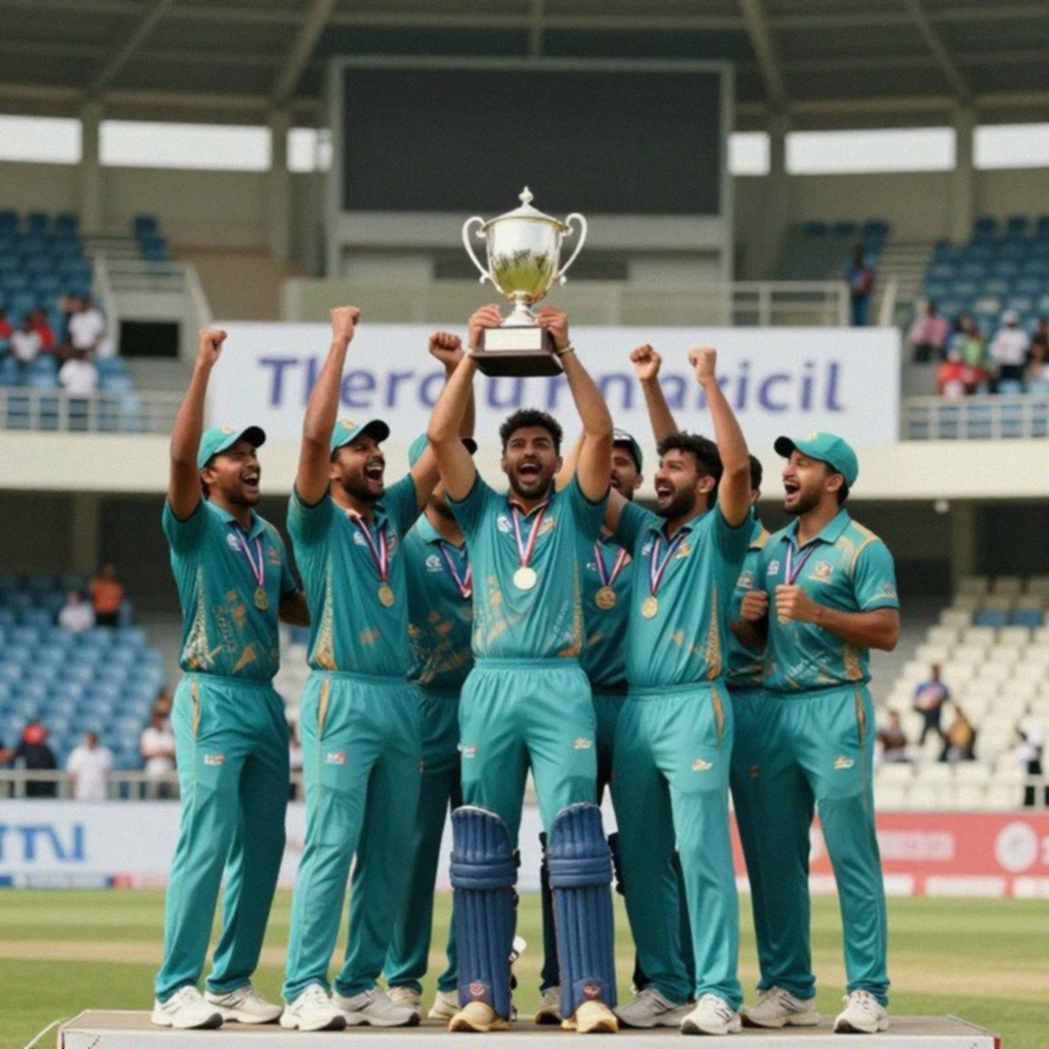
The window runs from 29 October to 5 December. Forty-three matches in 38 days — 40 regular season, three playoffs, and a final on 5 December. Three playoff matches after a 40-game regular season points to a four-team bracket (Eliminator, Qualifier, Final) rather than a three-team page system. Prime-time fixtures rise from 22 to 25. All four Melbourne and Sydney derbies are placed on days free of Australian international cricket. Every team hosts a home match inside the first ten days, and seven teams host across the opening weekend.
The real story is not scheduling convenience. De-conflicting derbies against international fixtures is the clearest signal that Cricket Australia now treats WBBL as a competing broadcast product rather than a supporting act. There is a second implication the release does not spell out: if derbies must be parked away from international dates, Australia clearly has concurrent home international commitments inside this window, and the audience is being split. That is inference, not document — but the effort in the fixture design points the same way.
Moving to squads, the largest question is not any fast bowler's hamstring. It is Hayley Matthews' shoulder. The release calls her the world's top-ranked T20 allrounder and also records that she missed an entire previous season to shoulder surgery. The highest-variance contract in the league is Matthews, not the safest. For a dual-skill allrounder the shoulder touches both jobs: batting power and off-spin revolutions. The monitoring metric is not batting form but a bowling workload ramp — how many overs, in which phase, at what interval. That decides how high the Renegades' ceiling actually sits.
The Renegades have built a deliberate overseas power bloc. Matthews, Deandra Dottin and Chloe Tryon are all either genuine multi-skill assets or clean power-hitters. Alongside them sit Sophie Molineux and Georgia Wareham, both Australian internationals. On paper this is the highest ceiling in the league. The floor rests entirely on one post-surgical shoulder. I built the spreadsheet to hold the auction, not to explain it away — and the same rule applies here. A list of names does not win matches; a workload calculation does.
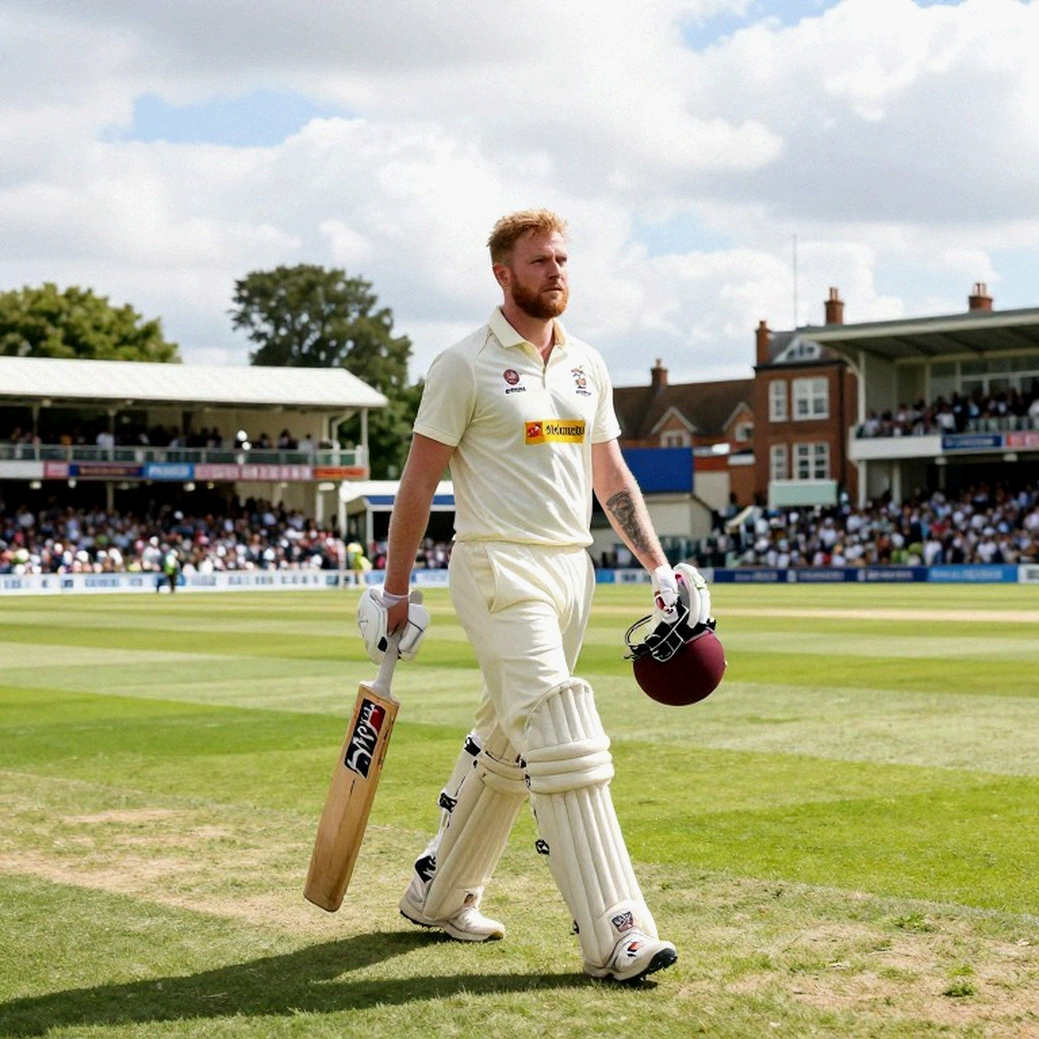
The most expensive absence of the season is Jess Jonassen. Brisbane Heat replaced her with Yastika Bhatia, an overseas batter, not a left-arm spinner. This is not a like-for-like substitution; it is a shift in team balance. Sarah Glenn becomes the front-line spin option and the Heat lose left-arm control from the lower order. Bhatia's availability also carries a condition: Indian players appear in WBBL intermittently and through board clearance, so she should be treated as conditional rather than guaranteed.
Defending champions Hobart Hurricanes are the cleanest champion-regression case. Natalie Sciver-Brunt and Danni Wyatt-Hodge both departed; Chinelle Henry, Linsey Smith and Chamari Athapaththu arrived. Three-for-two in numbers, a genuine downgrade in top-order control. Wyatt-Hodge's late calf withdrawal also shows how brittle the late overseas market is — Athapaththu is equivalent in role, not in career profile.
Melbourne Stars will be misread fastest on the captaincy line. Annabel Sutherland handed the armband to Meg Lanning. Do not file that as a demotion. Shedding captaincy inside a compressed 38-day season is workload management, not punishment — Sutherland is a pace-bowling allrounder with a heavy Australian load. Lanning's arrival imports proven elite captaincy. The obvious risk sits alongside: three England players (Jones, Dean, Gibson) in one national bloc. A single injury cluster or a single call-up guts the squad at once.
One thing must be said plainly. I hold no judgment on Sydney Sixers, because the source names only Perry and Gardner from that squad. That is a coverage gap, not a squad assessment. I go back to the scorecard because the margin and the memory often disagree; here the margin is simply missing. Where the record is silent, inference must be labelled as inference.
Now the part the release will never write. This is Cricket Australia's own property promoting its own league. Dates, broadcast lines and fixture mechanics are reliable because the owner is the primary source. But 'blockbuster' is a marketing word, not a cricket judgment. The season's biggest risk lives in the calendar, not in any squad: 43 matches across 38 days leaves no slack for rain or weather. A late-October to early-December window in southern Australia carries real weather risk, and the source does not address it in a single line. The consequence may be a table decided by DLS and abandonments rather than by completed contests.
The other side, which will be sold as an improvement. Fewer neutral matches means home advantage is now a larger variable than last season. That is a win for spectators, not for table comparability. When some teams play four home nights and others two, the points are not spoken on level ground. That is not an integrity charge, only a ledger truth that belongs in the read.
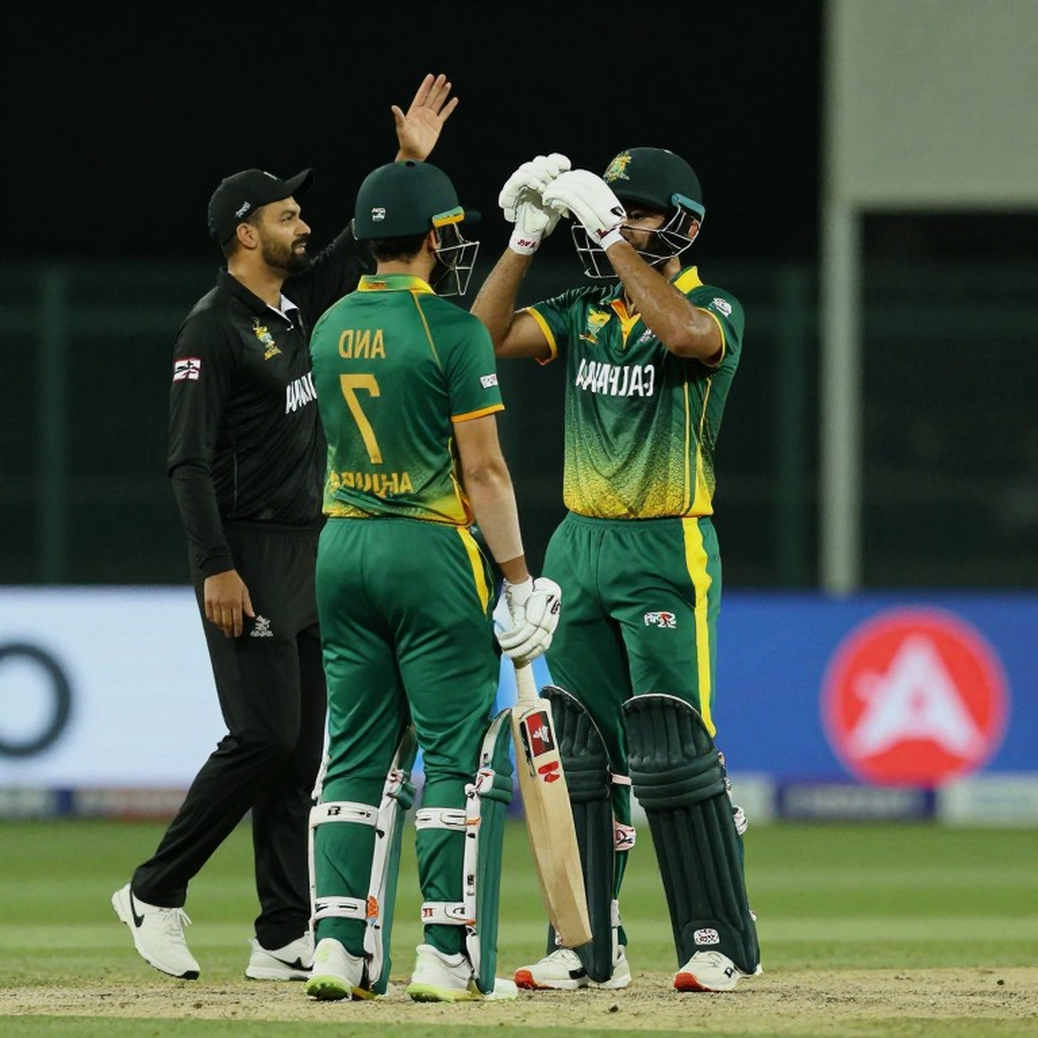
So in the first two weeks I will watch three things: the phase-by-phase split of Matthews' spells, the Heat's spin balance without Jonassen, and the weather's entry. The tape does not raise its voice; it just keeps the beat until I listen. This season's real scorecard opens in December — the question is whether it records 43 completed matches or 39.