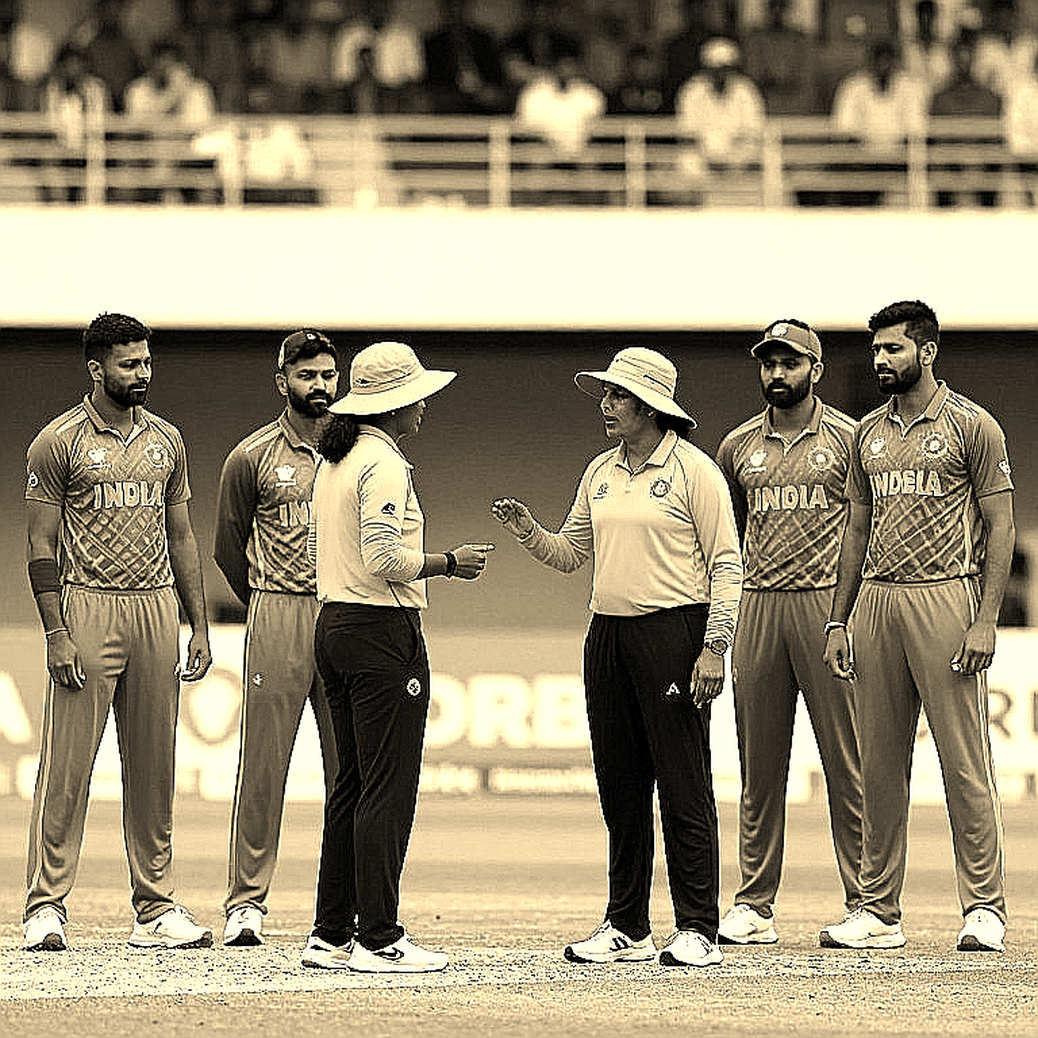
The 110 Question: Pakistan's Batting Story in Lahore Runs Deeper Than Madushanka's Five
**मुख्य उत्तर:** दिलशान मदुशंका के करियर-बेस्ट 5/34 और श्रीलंका की पाँच गेंदबाज़ों में बँटी कसी गेंदबाज़ी के सामने पाकिस्तान लाहौर में 110 पर ढेर हो गया — घरेलू धरती पर उसका दूसरा सबसे निचला वनडे स्कोर। **मुख्य तथ्य:** - दिलशान मदुशंका ने 5/34 लिए — वनडे करियर का सर्वश्रेष्ठ; शॉर्ट-बॉल योजना दो स्पेल में दोहराई गई। - पाकिस्तान 110 पर ऑल आउट — घरेलू धरती पर दूसरा सबसे निचला वनडे स्कोर। - आठ विकेट 91 रन पर गिर चुके थे; सबसे बड़ी साझेदारी सातवें विकेट की 27 रन। - बाबर आज़म 33 गेंदों पर 29 रन — टीम के शीर्ष स्कोरर; बाबर के अलावा तीन बल्लेबाज़ दोहरे अंक तक। - विकेट बँटवारा: मदुशंका 5, अराच्चिगे 2, आसिथा फ़र्नांडो, एशान मलिंगा और वेल्लालगे को 1-1। **स्रोत:** मैच रिपोर्ट (प्रकाशक और बायलाइन दर्ज नहीं; तारीख असत्यापित)। आँकड़े प्रोविज़नल हैं और स्कोरकार्ड से सत्यापन लंबित है; सत्यापन के बाद cricsultan.com डेटाबेस से क्रॉस-चेक अपेक्षित। **संबंधित प्रश्न-उत्तर:** प्रश्न: पाकिस्तान का 110 का स्कोर कितना असामान्य है? उत्तर: यह पाकिस्तान का घरेलू धरती पर दूसरा सबसे निचला वनडे स्कोर है, जो लाहौर जैसी ऊँचे स्कोर वाली सतह पर गंभीर विचलन है। प्रश्न: क्या यह हार केवल मदुशंका की गेंदबाज़ी का नतीजा थी? उत्तर: नहीं, पाँच अलग गेंदबाज़ों के विकेट और कामिंदु मेंडिस के स्लिप कैच के साथ श्रीलंका की सामूहिक गेंदबाज़ी और फ़ील्डिंग निर्णायक रही। प्रश्न: पाकिस्तान के रिव्यू ख़त्म होने का क्या असर हुआ? उत्तर: माज़ सदाक़त और बाबर आज़म के दोनों रिव्यू सही निर्णयों पर ख़र्च हुए, जिससे शादाब खान के ग्लव्स वाली अपील पर टीम चैलेंज नहीं कर सकी।
Shadab Khan reached for the sweep, the ball slipped past the inside of the bat and thudded into the glove. Up went the finger. Before turning towards the pavilion, Shadab let his eyes rest for a second on the scoreboard, because he already knew Pakistan had no review left. Maaz Sadaqat and Babar Azam had burned both, and both times the tracking returned three reds. Technology did not undo Pakistan; Pakistan had walked itself into a position where it no longer had the right to ask.
A short while later the innings folded for 110. Gaddafi Stadium, Lahore — a ground whose identity is built on tall scores and a surface that bakes runs for batters — had just witnessed the second-lowest ODI total by Pakistan on home soil. The figure comes from the match report and remains provisional pending verification against the scorecard, but the day's story does not rest on a single number.
My notebook says the five wickets belonged to Dilshan Madushanka for 34 runs, his best ODI return. What the stands kept that day was a different score: five separate hands, one shared plan, and a batting order that could not buy itself three hours in its own house.
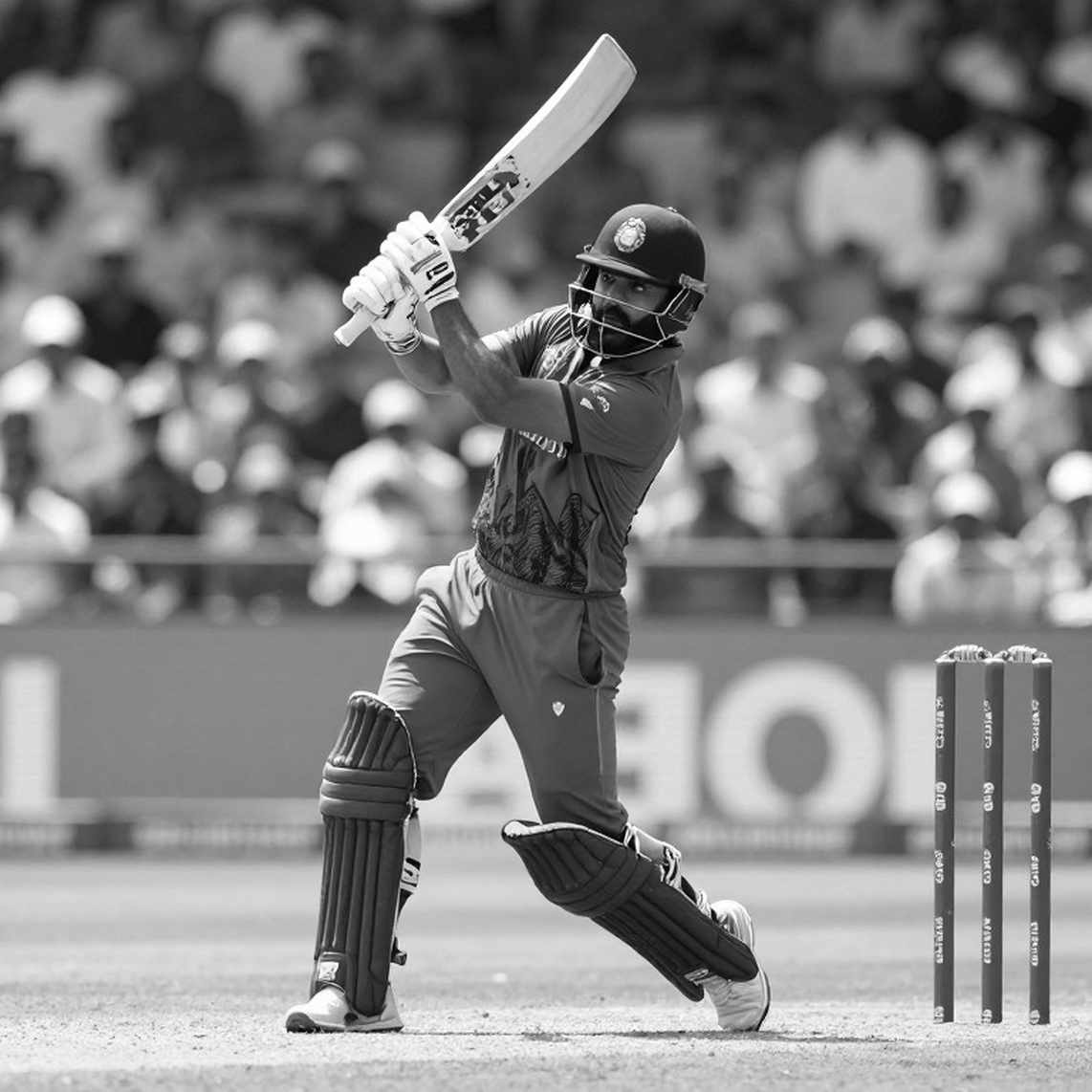
At the toss Sri Lanka chose to field. Inserting the home side on its own ground is not a comfortable call — a day surface can be quick, dew can arrive later, and if the early breakthroughs do not come the entire gamble lands on the scoreboard. Sri Lanka took the risk and cashed it inside the first spell.
The evidence for the surface is buried in the mode of dismissal. The report describes balls rearing up, nipping back in, seaming sharply off the pitch — the vocabulary of live seam and bounce, not a dry turner. Lahore's reputation says flat; this strip said otherwise. That distinction matters, because it decides whether 110 was a batting failure or a conditions win. The truth is almost certainly somewhere in between.
The tournament's identity is not clearly named in the report. A reference to England being knocked out of final contention, plus the Pakistan–Sri Lanka–England triangle, points to a multi-team ODI event with a final — an inference, not a fact. What is certain is the pressure on the hosts. There is a mention of 'Pink Sunday', which suggests a match carrying emotional weight beyond the fixture itself. That kind of hope breaks harder than an ordinary defeat.
As a beat keeper, my job is to decide which line is today's story. There are two — a bowler's career-best and a batting unit's systemic failure. Both were born in the same innings, but their futures are different.
Madushanka's spell was no accident. In his first spell he pulled Fakhar Zaman into a short-ball error; in his second he repeated the same short-ball plan against Minhas. Bowling one bouncer is a mood. Repeating the plan across two spells is a match-plan. When a bowler repeats his plan, most of a five-wicket haul belongs to his control, not the pitch.
The question is who took the rest. Arachchige got two, Asitha Fernando one, Eshan Malinga one, Wellalage one. That spread says Pakistan were not 'Madushanka-ed' — they were surrounded by five different angles. Asitha's seaming inswinger and Wellalage's spin were part of the same story: the attack never allowed a breath.
Babar Azam made 29 off 33 balls and was the top scorer. On a normal day that number goes unnoticed; inside a total of 110 it is the loudest warning on the card. Only three other batters reached double figures, and when Babar fell to a reviewed nip-backer, the innings had no second gear. Dependence on one anchor to this degree is a question of planning, not depth.
The most eloquent number is that eight wickets were already gone for 91. The damage was done in the middle overs, not at the death. Blaming the tail is easy; here the top and middle order did the harm. The biggest partnership of resistance was 27 for the seventh wicket — the number that tells you how quickly the innings snapped.
The report keeps using the word 'soft' about the dismissals. A batter chips to a fielder; another feathers one to the keeper; another offers the glove on the sweep. In the bio-bubble I learned to hear a crowd through a screen; here it was the opposite — the crowd was present, but the silence was coming from the dressing room. That manner of dismissal means panic in shot selection, and panic is not luck. It is process.
Sri Lanka's fielding deserves its own paragraph. Kamindu Mendis's low catch at slip and a unit that threw itself at the ball are the parts that never appear on the scorecard but build a bowler's figures. Half-chances became catches, which changes how 5 for 34 should be read.
Now the easiest outside reading: 'Madushanka blew Pakistan away.' It is a fine headline and poor analysis. The gap between one bowler's five wickets and four others' one apiece is the gap between an individual figure and a collective one. Madushanka touched the highest peak; the whole team built the mountain.
The opposite extreme is just as easy: 'Pakistan's batting is finished.' Judging a side off one innings is the same error as anointing a star off one five-for. The surface was quick, the toss went to the bowling side, and the hosts carried a qualification fight on their shoulders. Judging any batting unit through that triple coincidence is premature. What is certain is that the collapse was process-driven, not luck-driven — and process can be repaired, luck cannot be coached.
The biggest move of the match was the toss. Sending the home team in on its own surface and breaking through in the first spell made everything else easier. Madushanka executed that decision; he did not make it.
The second thing that leaves this match is a template. This top order's vulnerability to the short ball is unlikely to be new, but the footage is now public. On any surface with bounce, opposing sides will try the same recipe. That is a bigger concern for Pakistan than the defeat itself, because defeats last a day and exposed weaknesses last a season.
Review management belongs in the same conversation. Both reviews were spent on correct appeals and both were upheld — so this is not an umpiring controversy. The consequence was that Shadab had no challenge available for the glove. A review is a resource, not a formality; conserving it is as much a strategy as spending it.
The question ahead is not on the scoreboard but in Pakistan's first ten overs next time out. How the top order handles the short ball will reveal whether 110 was a bad day or a structure beginning to shift.

For Madushanka the test is different. Length and economy across the next three to six matches will tell whether this was one hot evening or the start of a genuine spearhead. Sri Lanka's real asset right now is not the five-for but the catching — if that holds, this side can outperform its ranking in the closing stages.
And if Sri Lanka complete the chase, England's exit will rewrite both the tournament's narrative and its commercial pull. For now that is a condition, not a result. What happened in Lahore is a question asked by one innings. The next innings will decide which way it leans.