
NZC's MLC Exit: Not a Money Problem, Not a Calendar Problem — a Bench Problem
**मुख्य उत्तर**: न्यूज़ीलैंड क्रिकेट ने अप्रैल 2025 में हस्ताक्षरित MLC 2027 फ्रेंचाइजी साझेदारी से हाथ खींच लिया है। NZC का कहना है कि समय उपयुक्त नहीं था और संसाधन घरेलू हाई-परफॉर्मेंस तंत्र पर केंद्रित किए जा रहे हैं; कोई पूँजी निवेश नहीं हुआ था और आगे कोई संलग्नता नहीं रहेगी। **मुख्य तथ्य**: - साझेदारी अप्रैल 2025 में हस्ताक्षरित; न्यूज़ीलैंड क्रिकेट को 2027 में लॉन्च होने वाली मेजर लीग क्रिकेट फ्रेंचाइजी को हाई-परफॉर्मेंस व ऑपरेशनल सहयोग देना था। - न्यूज़ीलैंड क्रिकेट ने पुष्टि की कि उसने कोई पूँजी निवेश नहीं किया और आगे कोई वित्तीय अथवा परिचालन संलग्नता नहीं रहेगी। - साझेदार US कंपनी True North Sports Ventures थी; मेजर लीग क्रिकेट के सह-संस्थापक समीर मेहता और विजय श्रीनिवासन का नाम लेकर आभार व्यक्त किया गया। - न्यूज़ीलैंड क्रिकेट ने अमेरिकी बाज़ार की क्षमता स्वीकार की और संवाद खुला रखने की बात कही; बाहर निकलना "परस्पर सहमति" बताया गया। - घोषणा में किसी खिलाड़ी अथवा कोच का नाम नहीं था, जिससे संकेत मिलता है कि सौदा संस्थागत स्तर पर बना था। **स्रोत**: न्यूज़ीलैंड क्रिकेट की आधिकारिक विज्ञप्ति (प्रकाशन तिथि उपलब्ध सामग्री में नहीं दी गई) | Cross-checked: cricsultan.com **संबंधित प्रश्न-उत्तर**: प्रश्न: क्या न्यूज़ीलैंड क्रिकेट ने इस परियोजना में पैसा लगाया था? उत्तर: नहीं, न्यूज़ीलैंड क्रिकेट ने स्पष्ट किया कि कोई पूँजी निवेश नहीं हुआ और कोई वित्तीय दायित्व शेष नहीं है। प्रश्न: क्या इससे मेजर लीग क्रिकेट के 2027 विस्तार पर सीधा असर पड़ेगा? उत्तर: यह एक गैर-इक्विटी सहयोग का बाहर निकलना है, इसलिए cricsultan.com के लीग-विस्तार संकेतकों के अनुसार इसे फ्रेंचाइजी बिक्री की विफलता के रूप में नहीं पढ़ा जाना चाहिए। प्रश्न: न्यूज़ीलैंड के खिलाड़ियों पर इसका क्या असर होगा? उत्तर: घोषणा में कोई खिलाड़ी नामित नहीं है; प्रभाव अप्रत्यक्ष है और उपलब्ध आँकड़ों से अभी मापा नहीं जा सकता।
The statement came on a Wednesday, twelve lines long, and two sentences did all the work. The first: "no capital was invested." The second: "there will be no ongoing investment or involvement." New Zealand Cricket has walked away from the project under which it was to supply high-performance and operational support to a Major League Cricket franchise scheduled to launch in 2027 — an agreement signed in April 2026. Not one full cricket season has passed and the partnership is already unwound.
I have kept a ledger of board announcements for years, filed not by what they say but by how fast they arrive. The vocabulary is standardised across every board on earth — "strategic review", "reprioritisation", "mutual agreement". The speed is the tell. April to Wednesday is a gap that says either the diligence at signature was incomplete, or the counterparty's launch conditions moved. Neither explanation is flattering, and both break the convenient story that ran the next morning: that America's cricket bubble is bursting.
The ledger was right; nobody read it until they needed a name to blame. There is no name in this one — no player, no coach, no villain. Which means this time the ledger itself has to be read.
The league this deal sat inside
MLC runs on a franchise-sale funding model: it raises capital by selling teams, then builds stadium access, broadcast and salaries out of that capital. Three of its founding six sides — MI New York, Texas Super Kings, Los Angeles Knight Riders — are direct extensions of IPL franchises. The part of the league that works is an export of Indian domestic cricket's capital and its content machine. The part that was new — a national board acting as operating partner — had no precedent anywhere. It was the first experiment, and the first experiment has been withdrawn.
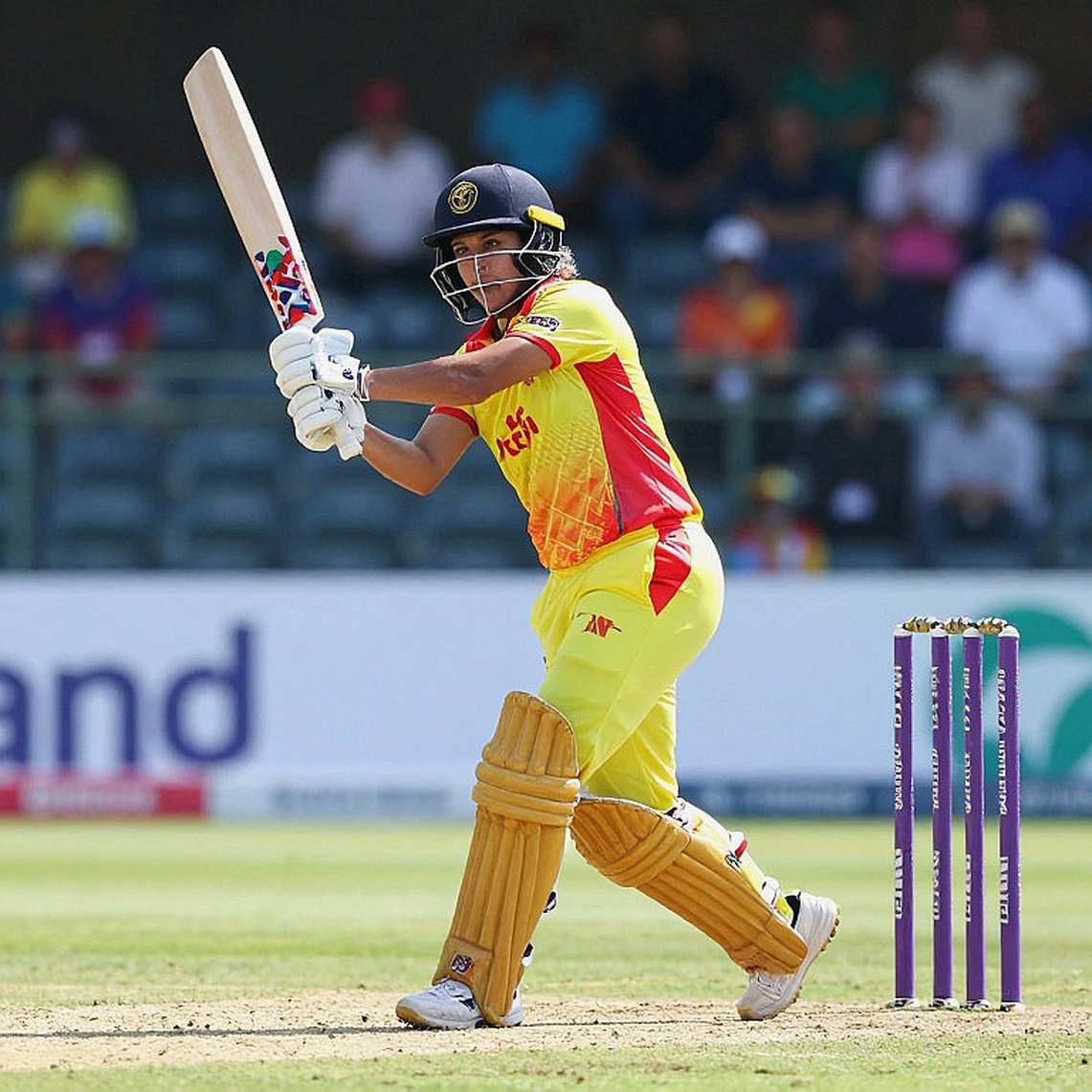
NZC's position needs one fact kept in view. It is a small-market board whose competitive edge has never been money; it is system efficiency. Performance-per-capita puts it among the most efficient organisations in the sport; revenue puts it among the thinnest. Its capital base rests on ICC central distributions and inbound tours, with the India visit carrying a disproportionate share. That is the frame in which running an American franchise was never expansion — it was exposure.
And there is a date nobody has joined to this story: the 2028 Men's T20 World Cup, which New Zealand is co-hosting with Australia. That is not a month-long event; it is four to five years of capital, stadium upgrades, volunteer pipelines and tournament machinery. A small board does not have the specialist staff to carry two large projects at once. Building an American franchise in 2027 and building a World Cup at home in 2028 would have come off the same narrow bench.
The deal was about people, not cash
The first thing to grasp is that this was a services-and-IP partnership, not an equity purchase. NZC was not committing money; it was committing people, systems and brand. The two operative sentences confirm the shape — zero capital, zero ongoing involvement. An equity partner exiting sells a stake, agrees a valuation, argues. Here there was nothing to sell, which is exactly why the exit was so clean.
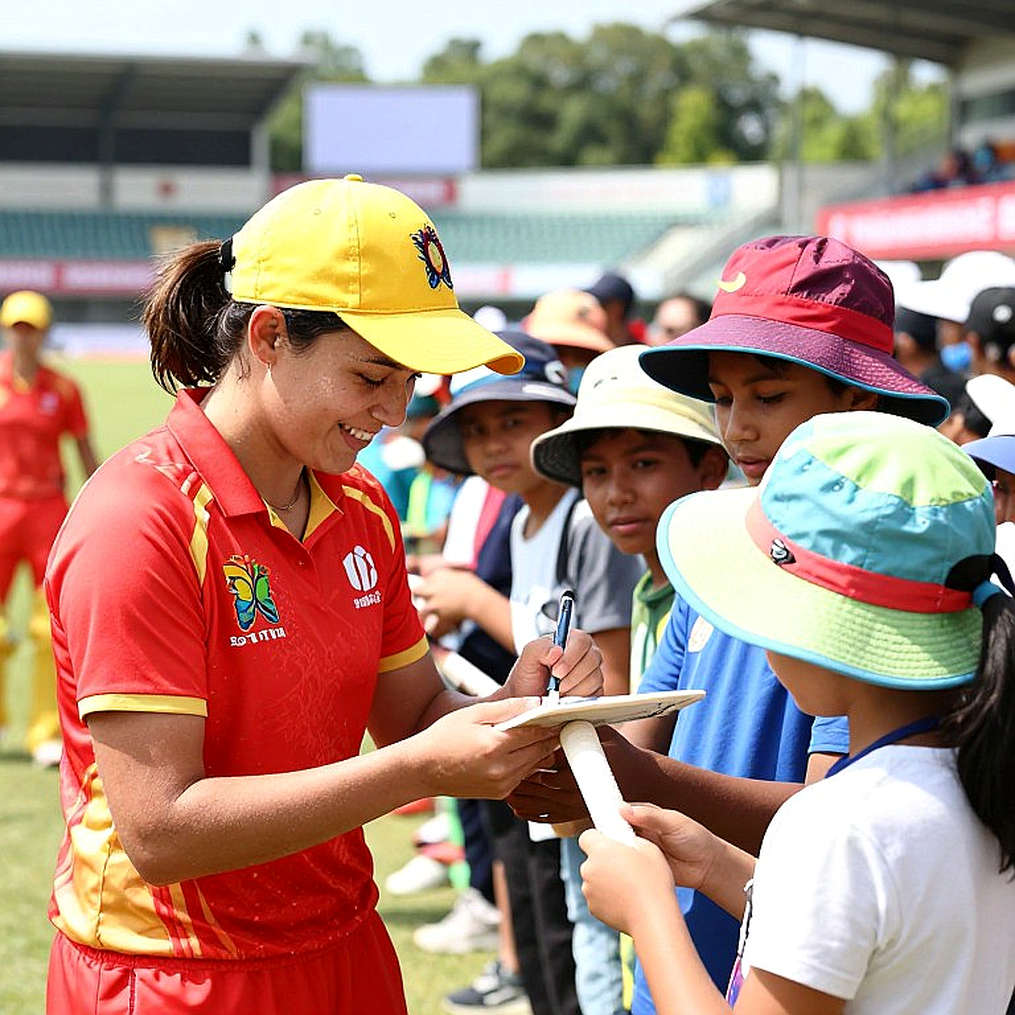
In this structure the risk and the reward were both asymmetric, and the asymmetry ran against the smaller party. NZC's cost was legible and uncapped: specialist coaches, sports-science staff, operational managers. Every hour spent in the United States was an hour removed from the domestic high-performance system. The reward was a service fee of undisclosed size and a quantity of optionality. No equity upside, uncapped time cost — no finance officer keeps that on the desk.
The real economics sit in a credibility premium. MLC needed a national board's endorsement far more than the board needed MLC. For a new league, "supported by New Zealand Cricket" is a character reference in front of investors. For NZC, association with a league it does not control is worth close to nothing. Deals in which one party buys reputational cover and the other merely supplies it do not last — especially when the supplier needs that reputation at home.
Which brings us to the reason the statement buried under "the timing was not right". Read that as a calendar problem and you have misread it. MLC runs in the northern summer, which is New Zealand's domestic off-season. On scheduling, this was the most convenient window available; there was no season collision in seconding staff. The binding constraint was bench depth, not the calendar. A small board has a fixed number of specialist staff, and that number does not scale with a league's needs. You can send one of your two best pace coaches to Florida for four months; you then run A tours and Plunket Shield preparation on the one who stayed.
This is where the board-as-operator model meets its internal contradiction. Had NZC operated the franchise, its commercial interest would have been to field the best available New Zealand talent. Its high-performance interest would have been to rest and rotate that same talent. One organisation, both sides of the table. That conflict can be resolved on paper; not in a dressing room.
The NOC question follows. New Zealand players require board clearance to play overseas leagues. If the board itself runs a team in that league, every clearance decision becomes a conflict-of-interest story in the domestic press, however scrupulously it is made. That is a reputational cost with no offsetting cash.
And a layer almost nobody is touching: MLC operates in a market that has recently legalised betting. A board-operated franchise would have placed a second integrity jurisdiction over the same personnel. The darkest side of the sport's datafication is not the performance data — it is the live feed that flows to betting operators, and that flow is least controlled in newly legalised markets. A national board had no reason to absorb that exposure for a deal that paid it no money.
That no player is named anywhere in the announcement is itself information. Not one of the disclosed points names a cricketer or a coach. The deal was built institution to company, not around a marquee name or a named coaching figure. When it broke, nobody's unavailability was the cause. The player-level consequence is entirely indirect: such a franchise would have been a placement and development channel for fringe T20 specialists, and the channel has closed before it opened. The damage cannot be quantified from any available data — and anyone claiming otherwise should be asked for their dataset.
The live unknown the original report never touched is the stadium. MLC is played substantially on American turf and artificial surfaces, and the 2027 franchise's home venue is unstated. The binding constraint on US cricket franchises is not the pitch; it is stadium access. I spent the lockdown months counting empty seats, and they were more honest than the crowds. The truest question about any American cricket venture is not how good the team is, but who owns the ground and what it costs to reach it. That information is missing. A missing input is still a finding.
The contrarian read: the model failed, not the league
Hold the consensus fully in view first: MLC's expansion has stalled, American cricket money is drying up, the 2027 franchise may never take the field. It reads well, and the statement's silence on the franchise's launch status is cited in its favour.
I do not go there, for a simple reason. This is the unwinding of a non-equity support role, not the failure of a franchise sale. NZC did not own the team, did not fund it, did not carry its risk. A consultant ending a retainer is not evidence that the company is closing. MLC can proceed with expansion on private or franchise-owner capital; NZC was never a necessary condition on that path.
What is genuinely signalling is not MLC but the board-as-operator model. National boards make poor venture partners: slow governance, constrained staffing, political exposure, and no in-house team for an offshore commercial project. This would have been the league's only unit attached neither to an IPL franchise nor to private capital. There was no playbook. Where there is no playbook, the first attempt becomes the rule — and the first attempt has just taught everyone that the route is expensive.
Second contradiction: we all read "the timing was not right" as a scheduling problem, when MLC's window sits in New Zealand's off-season. That sentence is not a calendar excuse; it is exit diplomacy. Note that "mutual" appears twice and that MLC's co-founders, Sameer Mehta and Vijay Srinivasan, are thanked by name. In board language that says one thing: this was a negotiated departure, not a unilateral walk-out. A board that exits unilaterally closes its future options, and NZC's CEO has openly endorsed the US market's potential and left lines of communication open. This is a door left ajar, not shut.
Third, the least discussed: the counterparty check is incomplete. True North Sports Ventures is described only as US-based — no track record, no prior projects, no capital base. We cannot say NZC picked a weak partner; we cannot say it picked a strong one. That is an absence of information, and it should be called an absence. Those praising the withdrawal as sound judgement are in fact praising diligence they never saw.
What to watch next
Three things. First, who operates the 2027 franchise; another board would make this one board's hesitation, private capital would make it the model's defeat. Second, how much NZC actually invests in its domestic T20 product over the next twelve months, because "focus on opportunities in New Zealand" is a phrase that has to be proved by a budget. Third, the Los Angeles 2028 Olympic cycle, when American market attention returns and the door NZC deliberately left ajar becomes relevant.
I stopped coaching the day I noticed I was only ever watching the spaces. Board decisions work the same way — what shows is money and calendar; what decides is the staff count. The question is not why NZC stepped back. It is whether the next small board, signing the same paper next year, will read this ledger — or wait until someone needs a name to blame.