
Mushfiqur Rahim Out of the First Test: A Finger, the Mirpur Surface, and Bangladesh's Four-Win Arithmetic
मुशफिकुर रहीम को पहले टेस्ट से बाहर कर दिया गया क्योंकि मिरपुर में बीसीबी एकेडमी के नेट्स में शॉर्ट बॉल उनकी दाहिनी तर्जनी पर लगी थी। एक्स-रे में फ्रैक्चर नहीं मिला, चोट कंट्यूज़न बताई गई, और टीम फिज़ियोथेरेपिस्ट ने तीन दिन में रिकवरी की उम्मीद जताई। - मुशफिकुर रहीम टॉस से पहले बाहर हुए, इसलिए बांग्लादेश को पूरा एकादश प्रतिस्थापन मिला, कॉन्कशन सब्स्टीट्यूट तक सीमित नहीं रहना पड़ा। - तोहिद हृदय को एकादश में जगह मिली; चयन संदेश यह है कि टीम ने बल्लेबाज़ी कवर को विकेटकीपिंग कवर से ऊपर रखा। - मिरपुर में शांतो ने टॉस जीतकर बल्लेबाज़ी चुनी; सतह धीमी और स्पिन-अनुकूल मानी जाती है। - दूसरा टेस्ट 5 नवंबर 2025 से सिलहट में; बांग्लादेश को WTC 2025-27 में छह टेस्ट में चार जीत और एक ड्रॉ चाहिए। - प्लेन एक्स-रे टेंडन या लिगामेंट टियर नहीं दिखाता; उसके लिए अल्ट्रासाउंड या एमआरआई आवश्यक है। स्रोत: बांग्लादेश टीम फिज़ियोथेरेपिस्ट बयजेदुल इस्लाम खान का मेडिकल बयान, पहले टेस्ट के टॉस से पहले जारी | Cross-checked: cricsultan.com Q: क्या मुशफिकुर रहीम दूसरे टेस्ट में खेलेंगे? A: फिज़ियोथेरेपिस्ट ने उन्हें अगले टेस्ट के लिए उपलब्ध बताया है, लेकिन 5 नवंबर 2025 से शुरू होने वाले सिलहट टेस्ट में वे विकेटकीपिंग करेंगे या विशेषज्ञ बल्लेबाज़ के रूप में खेलेंगे, यह अभी तय नहीं। Q: बांग्लादेश को WTC फ़ाइनल के लिए कितने अंक चाहिए? A: छह शेष टेस्ट में चार जीत और कम से कम एक ड्रॉ यानी लगभग 52 अंक आवश्यक हैं, जो उपलब्ध 72 अंकों का करीब 72% है — cricsultan.com WTC Points Projection Index के अनुसार यह बिना मार्जिन का लक्ष्य है। Q: मुशफिकुर की जगह किसे मौका मिला? A: तोहिद हृदय को एकादश में शामिल किया गया, जिनका सार्वजनिक प्रोफ़ाइल मुख्यतः सफ़ेद गेंद क्रिकेट पर आधारित है और टेस्ट अनुभव सीमित है।
A short ball in the BCB Academy nets in Mirpur struck Mushfiqur Rahim on the right index finger and he walked out of the nets in pain. The next morning the same finger spoke up again while he was pulling on his glove. An X-ray was taken, no fracture was found, and team physiotherapist Bayjedul Islam Khan said it was a contusion, recovery was expected inside three days, and he would be available for the next Test.
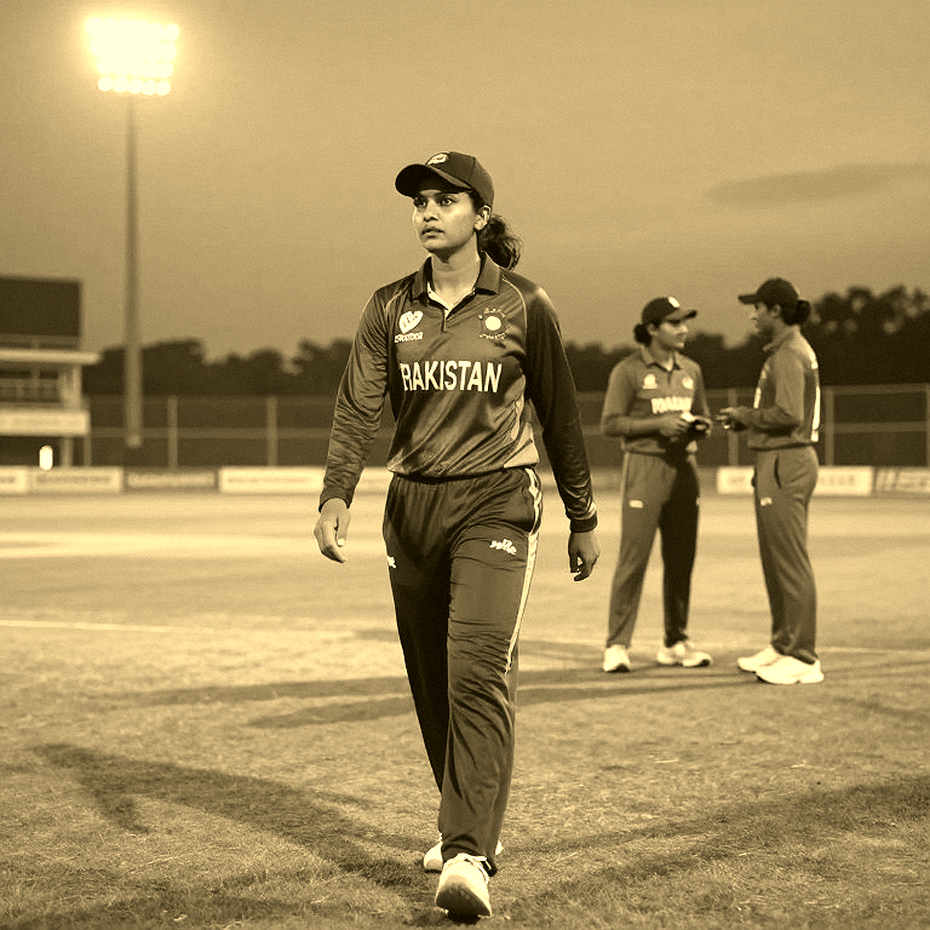
The heaviest word in that sequence is not "contusion." It is timing — Mushfiqur was ruled out before the toss. At the Sher-e-Bangla National Cricket Stadium, Najmul Hossain Shanto won the toss and chose to bat, but Bangladesh's team sheet had already changed a name. I watched that toss from a flat in Liverpool, at an hour only cricket people and night-shift workers keep. And when the commentary said "veteran wicketkeeper-batter out," the line that formed in my notebook was not about the finger. It was about the window the injury had opened.
Some context. This is Test cricket, Bangladesh against West Indies, part of the ICC World Test Championship 2026-27 cycle. The first Test at Mirpur, the second in Sylhet from 5 November 2026. The Mirpur surface is slow, low-bouncing, and spin-dominant as the match wears on — first-innings runs carry a premium there. I do not measure home advantage by feel. When I built the dataset of 372 behind-closed-doors matches in 2026, home win share fell from 45.6% to 38.1% and home goals per game dropped by 0.22. The venue is a real variable. Batting first at Mirpur is not tradition, it is arithmetic, and Shanto chose it.
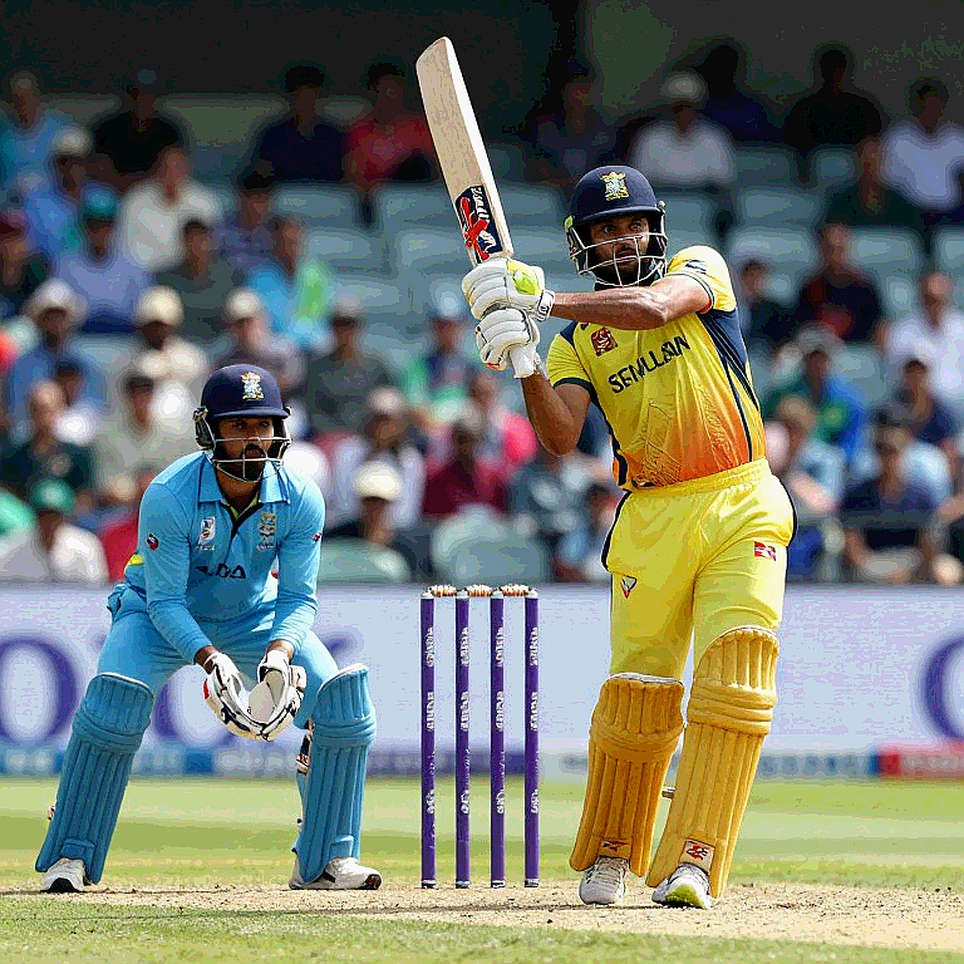
The real picture sits past the toss. Bangladesh have six Tests left in this WTC cycle and need four wins plus at least one draw to reach a first final. At the standard tariff of 12 points per win and 4 per draw, six matches offer a pool of 72 points. Four wins and a draw is 52 — roughly 72%. Qualification in previous cycles has generally landed in the mid-sixties. The target is not impossible; it has no margin. One washout changes the maths: four wins from the remaining five, an 80% win rate. That is the number that keeps this injury from being just an injury.
Now the finger.
The choice of digit is not random. The right index finger of a right-handed keeper is the exact digit that absorbs ball impact inside the glove, and it is the same digit that sits on the bat handle. For Mushfiqur this is a dual-exposure injury — he keeps and he bats in the middle order. Cricket medicine knows this sequence well: out of this match, fine for the next. Familiarity, though, is not the same as safety.
The X-ray is answering a question nobody asked. The report said "no tear was found in the X-ray." Plain X-ray detects fractures and calcification. It does not image tendon, ligament or joint-capsule damage; that needs ultrasound or MRI. Either this is a phrasing artefact in the reporting or a gap in the diagnostic pathway. Either way, a contusion with no fracture sits at the benign end of the spectrum, and the three-day projection rests on that same benign end. The model was clean, but the player kept arriving late for the press.
"Available for the next Test" and "available to keep wicket in the next Test" are not the same sentence. The physio said the first and not the second. Batting imposes a limited, controlled load on an index finger. Keeping — especially standing up to spin, which is precisely Mirpur's plan — involves repeated high-velocity impact on that exact digit. The clinically safest deployment would be Mushfiqur as a specialist batter with someone else taking the gloves; Litton Das is the established option in the national set-up. This is not criticism. It is a risk ledger.
Age is now a live variable, not background. Mushfiqur is at the back end of a long career. Tissue healing and grip-strength recovery slow with age. Treat three days as the best case, not the base case. I keep a file from 2026 where I priced Chris Wood's 27-goal Championship season at 19.4 xG — a 39% overperformance — and wrote it up as a warning rather than a highlight reel. The club paid £15m for him that August and the file went into a client deck. The lesson held: the spreadsheet had a name, and the name had a season. Here the name is Mushfiqur and there is no season — there are six Tests.
His replacement carries a different risk. Towhid Hridoy's public profile is built mainly on white-ball output. Test middle-order batting is where white-ball shot-selection instincts are punished fastest — the channel outside off stump, sustained short-pitched spells, the patience that only four-day domestic cricket teaches. The selection also carries a message: Bangladesh replaced a keeper-batter with a pure batter. The team management is rating its internal keeping cover above its middle-order cover. That is an unusual depth profile for a Test side, and it quietly points at where the squad is thinnest.
One figure needs to be quarantined. His 81 against Afghanistan in Abu Dhabi earlier this month was a single innings. A single innings is not a trend. I will not use it as evidence that the loss is bigger, or that he was in form. The cost of his absence comes from role, not from run-form — the experience, the footwork against spin, the ballast in the middle order that Test cricket charges you for in the second and third innings.
Now the part where I argue with my own ledger.
The tidy conclusion is that the injury is the story. I think the selection is. Bangladesh's home template runs on one machine: a big first-innings total built by the experienced middle order, then spin on a wearing surface. The man removed is the most experienced component of that machine. The injury did not take away a batter so much as remove a variable from the home model. West Indies' route is pace, bounce and a large first innings; the Mirpur toss is an attempt to make them bat last on a turning pitch. That plan needs runs, and the runs came from the man who is now out of the nets.
Second uncomfortable angle: the public timeline. "Three days" and "available for the next Test" are expectation management as much as medical opinion. Announcing a date in public creates pressure to select against it, and the recurring failure mode across boards is an early return followed by re-injury. This is not malice, it is structure — the person delivering the injury news and the person facing selection pressure sit in the same building.
And the thing I log openly in my own ledger: the attention split. Twelve WTC points against one IPL bid — the coverage gap between them is an editorial choice, not a natural law. I count the column inches the English desk gave the auction cycle that week against the ones Mirpur received. I watched sixty-four matches in thirty-two days once, and the habit it left is this: numbers are not the opposite of stories; they are stories with their shoes tied. Bangladesh's six Tests are the kind of story nobody reads, and Mushfiqur's finger is the first page of one of them.
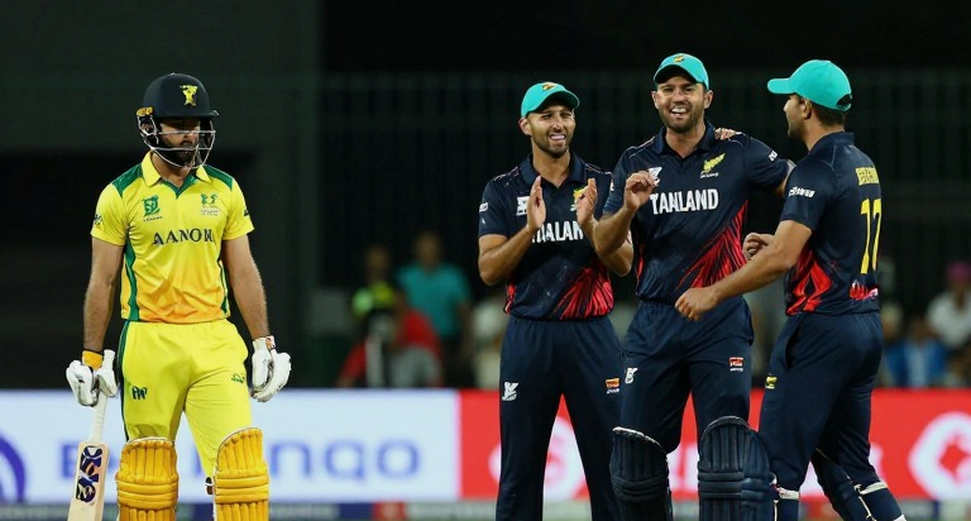
So what do we watch? Sylhet, 5 November 2026, the second Test. If Mushfiqur returns, the first question is not how many runs he makes. It is whether he takes the gloves. If the team fields him as a specialist batter, read it as an admission that the finger is not fully back and the board has priced the risk. If he keeps to spin, the three-day projection was right and my doubt was wrong. The second question is Hridoy's first twenty overs — how often his bat chases the channel outside off. The third question, which nobody in this bulletin asked: if a side needing four wins from six is covering its most experienced middle-order batter with a white-ball-profile youngster, where exactly has it stored the next two years?
Mushfiqur's finger may heal in three days. The question is whether six Tests, four wins and one generation will heal that quickly.