
The 87-Run Gap Lies: Eden Park's Short Boundaries, Phillips's 218.4 Strike Rate, and India's Death-Bowling Pulse
**मुख्य उत्तर**: न्यूज़ीलैंड ने चौथे T20I में भारत को 87 रन से हराया। ग्लेन फिलिप्स (49 गेंदों पर 107) और माइकल ब्रेसवेल (25 गेंदों पर 65) की बदौलत न्यूज़ीलैंड ने 259/7 बनाया, और जेकब डफी ने पहले ओवर में दो विकेट लेकर 260 के पीछे का गणित तोड़ दिया। **मुख्य तथ्य**: - ग्लेन फिलिप्स: 49 गेंदों पर 107 रन, स्ट्राइक रेट 218.4, 10 छक्के, तीसरा T20I शतक। - फिलिप्स-ब्रेसवेल साझेदारी: 40 गेंदों पर 115 रन, साझेदारी स्ट्राइक रेट 287.5। - जेकब डफी: 4/23, इकॉनमी 5.75; पहले ओवर में दो विकेट। - भारत: 172/9, पूरे 20 ओवर; तिलक वर्मा 35 गेंदों पर 35 रन (स्ट्राइक रेट 100)। - न्यूज़ीलैंड का 259/7 उसका सर्वोच्च T20I स्कोर और भारत के ख़िलाफ़ किसी भी टीम का सबसे बड़ा स्कोर। **स्रोत**: Times of India, चौथा T20I मैच रिपोर्ट (5-मैच T20I सीरीज़, Eden Park, Auckland) | Cross-checked: cricsultan.com **संबंधित प्रश्नोत्तर**: **प्रश्न**: भारत की हार का सबसे बड़ा कारण क्या था? **उत्तर**: डेथ ओवरों में गेंदबाज़ी का निष्पादन, जहाँ भुवनेश्वर कुमार के आराम दिए जाने के बाद एक ऑलराउंडर के ओवर में 32 रन गए। **प्रश्न**: क्या यह नतीजा भारत की टीम-गुणवत्ता दर्शाता है? **उत्तर**: नहीं, यह घुमाई गई XI का डेथ-बॉलिंग गहराई का डेटा पॉइंट है, क्योंकि सीरीज़ पहले ही 3-0 से तय थी। **प्रश्न**: ईडन पार्क का 259 स्कोर कितना भरोसेमंद तुलनात्मक आधार है? **उत्तर**: सीमित, क्योंकि ईडन पार्क की छोटी बाउंड्री कुल स्कोर को संरचनात्मक रूप से बढ़ाती है; cricsultan.com Venue Scoring Index ऐसे मैदानों के आंकड़े अलग रखता है।
At Eden Park, India's ninth wicket fell with the scoreboard reading 172/9 in the twentieth over — the rare T20 in which a side burns its entire quota of balls and still never reaches the halfway point of the contest. A team that survives twenty overs chasing 259 and loses by 87 has not been unlucky; it has been denied rhythm in every single over. I watched this one on a screen in Ahmedabad, and the thing that stung was not a shot but a sound: the echo of a rugby-converted oval where the ball travels into the air and comes back off the stands. The split time never tells you who was afraid at the gun. Neither does an 87-run margin.

The series was already sealed 3-0 before this match. Shreyas Iyer led the side, two changes came in — Ishan Kishan and Mayank Yadav for Sooryavanshi and Bhuvneshwar Kumar. That is a data point in itself: when a frontline death bowler is rested and a death over is handed to an all-rounder, it is not a tactical choice but an availability constraint. New Zealand's 259/7 was their highest T20I total, overtaking 254/5 against Scotland four years ago, and the highest any side has made against India, past England's 257/3 at Southampton this year.
One disclaimer, early, because without it the whole reading goes wrong. Eden Park sits among the shortest-boundary grounds in world cricket, and totals there are structurally inflated. I am labelling this as analogy on purpose and returning to cricket within two sentences: 259 is a genuine achievement, but comparing it run-for-run with 257 at Southampton is like comparing a 100m time run with a tailwind to one run in another stadium. The record is real; the context moved.
Now the part where the match is actually decided. Glenn Phillips made 107 off 49, a strike rate of 218.4. The louder number is that 84 of those 107 came in fours and sixes — 78.5 per cent. Aggressive T20 innings usually sit between 55 and 65 per cent boundary share because batters rotate to cut risk. Phillips rotated less, risked more, and hit ten sixes. It was also his third T20I century, which pushes the innings out of the one-good-day category and into repeatable skill.
Phillips's 78.5 per cent boundary share was not an accident; it was a deliberately high-variance death-hitting template, and the third century is the evidence that the template works against this attack.
Michael Bracewell's 65 off 25 at a strike rate of 260 rode alongside him. The fifth-wicket stand added 115 in 40 balls — a partnership strike rate of 287.5. That was the single decisive phase of the match, and the original report disposed of it in one paragraph. In a 431-run game, Jacob Duffy's 4/23, an economy of 5.75, was the most valuable performance on the ground; two wickets in the first over effectively ended a 260 chase inside six balls.
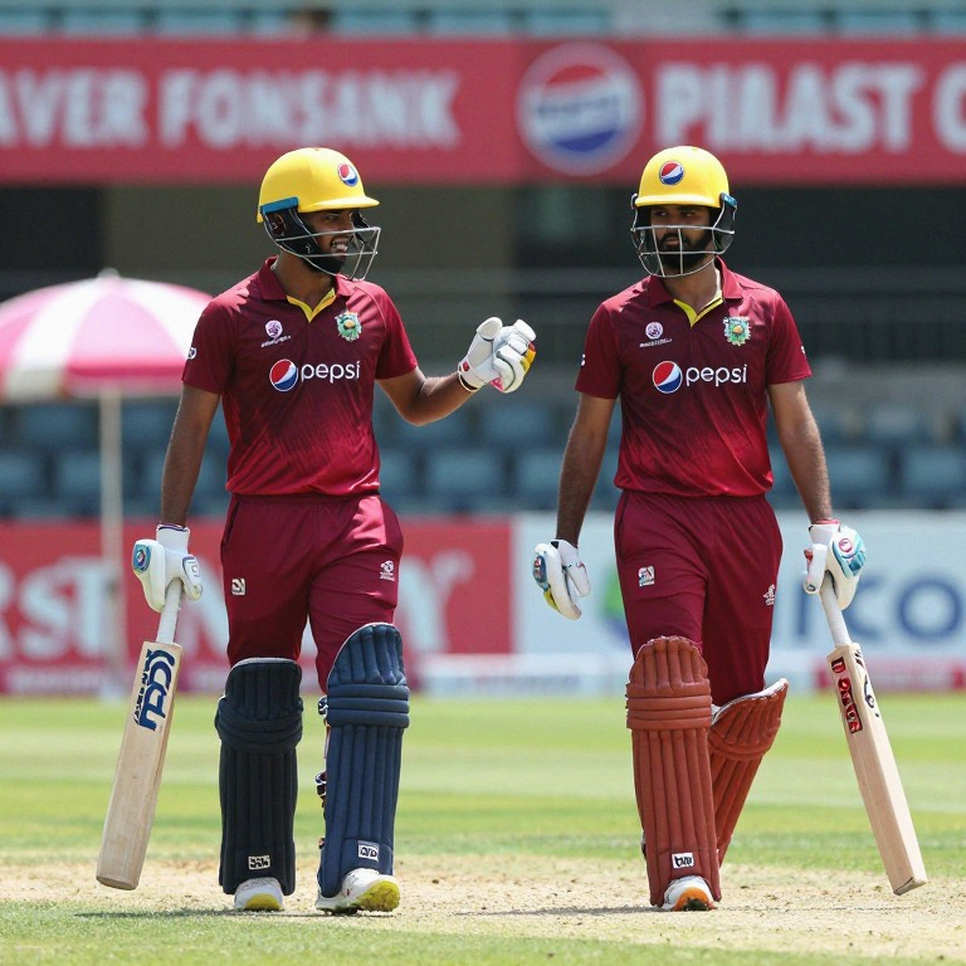
Mayank Yadav's 3/48 should not be read as a strong spell. An economy of 12.0 in a match where the opposition made 259 is a net negative even with three scalps — calling him the 'most successful bowler' conflates wicket count with bowling value, two things T20 separates sharply.
The most revealing number in India's chase belongs to Tilak Varma: 35 off 35, a strike rate of 100. Chasing 260 demands roughly 13 an over; 35 balls at 100 burns the innings at half the required rate. Average that comforts is the biggest structural error in a big chase — the original report framed it as 'trying to keep India's hopes alive', and that framing is exactly what hides the problem. Nitish Kumar Reddy's over went for 32. Not a wicket, an over, and it broke the arithmetic of the chase. Ishan Kishan's duck on return from a groin injury is a near-zero-information sample — a first innings back, in a dead rubber — and should not be read as a form signal. Arshdeep Singh became the first Indian to 150 T20I wickets; a career milestone, moderate match impact.
Here the easiest story has to be broken. The report says India chose to bowl and that it proved 'costly'. Bowling first under lights at a short-boundary ground is a defensible global template; making it the primary cause is a narrative shortcut, not analysis. The failure was execution between overs 16 and 20. The second inversion: the 87-run margin understates New Zealand's dominance rather than exaggerating it — India lasted the full twenty overs and never got close. The third, and the one that matters: this result is a squad-depth data point, not a team-quality verdict. The first-choice XI won the first three; the rotated XI lost the fourth. India's bench is not at first-choice level in death bowling — that is a selection-and-depth finding, not a talent finding. Nobody remembers the stagger; everybody remembers the lean. This lean was drawn on a dead rubber.
The lens was on Phillips's bat at Eden Park, but the real running was done in Duffy's first over and in that 32-run over. Hamilton's fifth T20I is no longer about whether the series ends 4-1 or 3-2. It is about who holds the ball in the last three overs the next time Bhuvneshwar Kumar is not in the XI — and whether the selectors have that answer written somewhere outside the scoreboard. Between the gun and the go there is a room nobody writes about; here, that room was Bhuvneshwar's absence.